













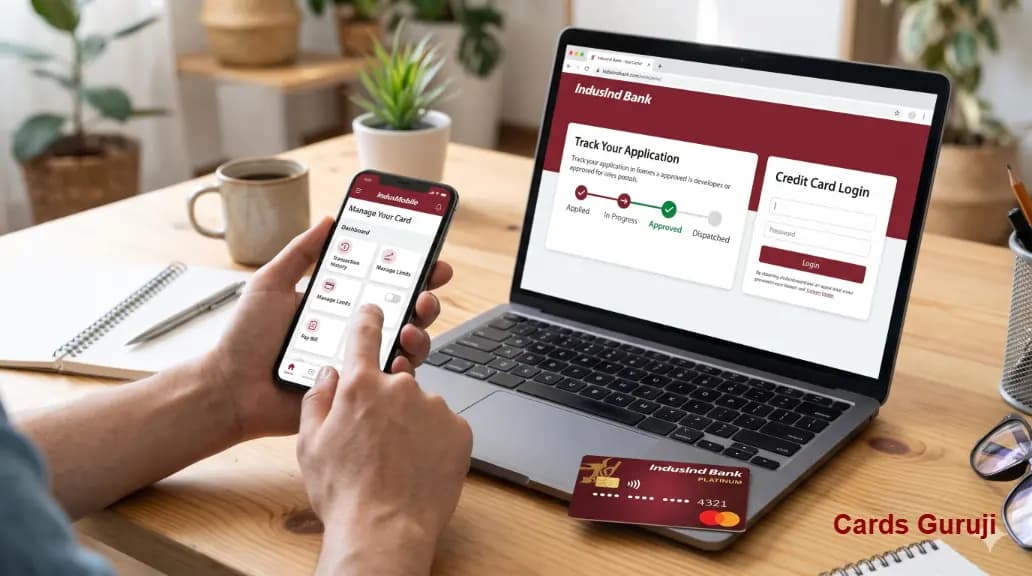
How to Track and Manage Your IndusInd Credit Card Like a Pro
Waiting for a new credit card to arrive—or trying to figure out how to manage it once it does—shouldn't feel like a guessing game. Whether you have just submitted your application or recently received your card, knowing how to navigate the bank’s digital portals is essential.
In this guide, we will walk you through the exact steps for checking your IndusInd bank credit card application status and setting up your IndusInd bank credit card login so you can take full control of your finances without waiting in long customer service queues.
Part 1: How to Check Your IndusInd Bank Credit Card Application Status
Once you hit "submit" on your credit card application, the anticipation begins. IndusInd Bank provides a dedicated tracking portal that updates your application's progress in real time.
Here is the fastest way to check where your application stands:
What You Will Need
Before you begin, keep the following details handy:
- Your Application Reference Number (this is usually sent to your registered mobile number and email ID upon successful submission).
- Your Registered Mobile Number.
- Your Date of Birth or PAN Card Number (for secondary verification).
Step-by-Step Tracking Guide
- Visit the Official Tracking Portal: Navigate to the official IndusInd Bank application tracking page.
- Enter Your Details: Input your Application ID and registered mobile number in the designated fields.
- Verify via OTP: You will receive a One-Time Password (OTP) on your phone. Enter this to verify your identity.
- View Your Status: The dashboard will display your current status.
Understanding Your Status
- In Progress/Under Review: The bank is currently verifying your documents and credit profile.
- Approved: Congratulations! Your card is being generated and will be dispatched soon.
- Dispatched: Your card is on its way. You should see an airway bill or courier tracking number.
- Rejected/Declined: Unfortunately, the application didn't meet the bank's current criteria. (If this happens, wait at least 3-6 months before reapplying to protect your credit score).
Part 2: IndusInd Bank Credit Card Login – A Step-by-Step Guide
Once your card arrives and is activated, your next step is setting up your digital account. The IndusInd bank credit card login portal (via IndusNet or the IndusMobile app) is your command center for paying bills, converting purchases to EMIs, checking reward points, and managing transaction limits.
How to Register as a First-Time User
If you don't have an existing IndusInd bank account and only hold their credit card, you can still register for online access:
- Go to the IndusNet Net Banking portal on the official IndusInd website.
- Click on Register and select the Credit Card option.
- Enter your 16-digit credit card number, CVV, and Expiry Date.
- Input your Date of Birth and authenticate via the OTP sent to your registered mobile number.
- Create a strong User ID and Password.
How to Log In (Returning Users)
- Access the Portal: Open the IndusInd net banking login page or download the IndusMobile App.
- Enter Credentials: Type in your registered User ID and Password.
- Dashboard Navigation: Once logged in, navigate to the "Cards" section.
- Manage Your Card: From here, you can view your unbilled transactions, download past statements, pay your outstanding dues, and toggle international or online transaction limits for security.
Why Using These Portals Matters
Utility tools like the application tracker and the net banking login are designed to save you time. By bookmarking these official portals, you avoid the hassle of calling customer care for routine queries. Plus, actively monitoring your credit card dashboard is one of the best habits for maintaining financial health, catching unauthorized transactions early, and never missing a payment due date.
(Note: Always ensure you are on the official indusind.com domain before entering any sensitive financial information or card details.)