




Credit Card News & Guides

Latest insights, expert guides, and news from the world of credit cards to help you make smarter financial decisions.

Showing 8 News

Fairfax Gets Cabinet Nod for IDBI Bank Control; RBI, CCI and CSB Bank Questions Remain
Banking17 Oct 2026, 06:30 pm

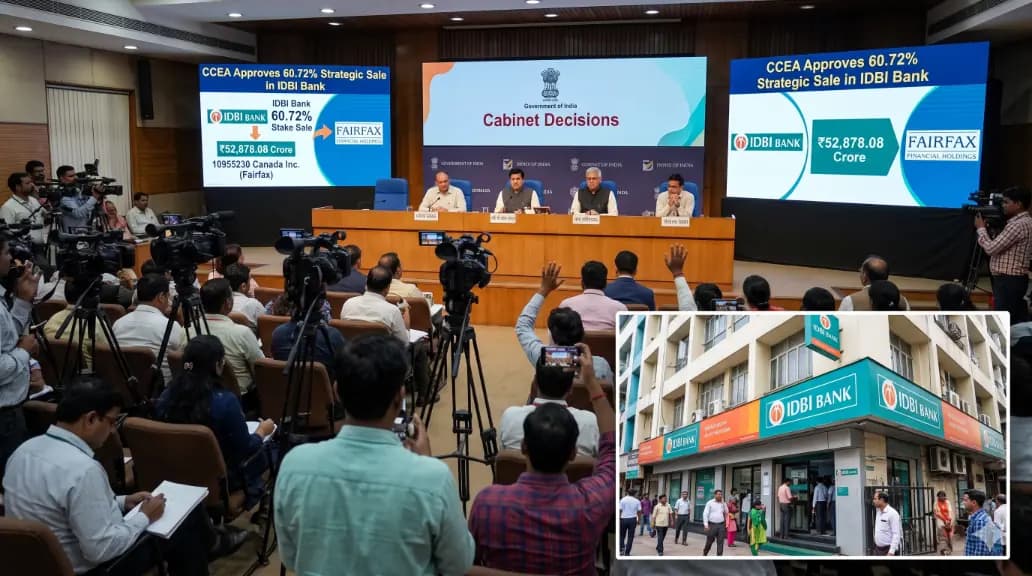
Fairfax Gets Cabinet Nod for IDBI Bank Control; RBI, CCI and CSB Bank Questions Remain

The Cabinet Committee on Economic Affairs has approved a Fairfax-backed buyer for a 60.72% stake in IDBI Bank at ₹52,878.08 crore. RBI and CCI approvals are pending, and Fairfax’s CSB Bank holding remains unresolved.

Ruby
Ruby
Read News→
Flipkart Big Billion Sale 2026: Credit Card Offers Across Major Indian Banks
flipkartBig Billion Salebank offers3 Oct 2026, 06:30 pm

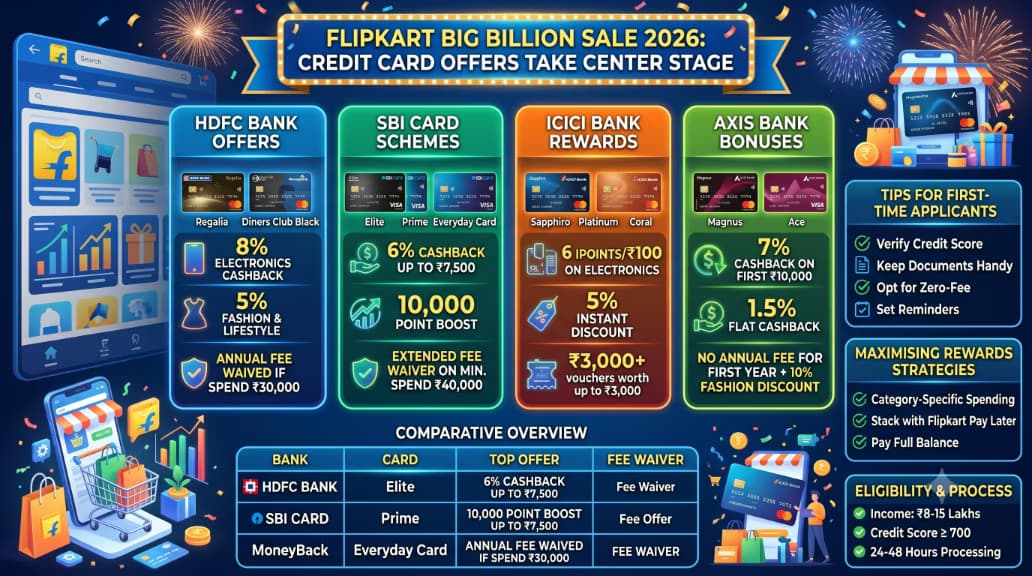
Flipkart Big Billion Sale 2026: Credit Card Offers Across Major Indian Banks

A roundup of credit card offers from HDFC, SBI, ICICI, Axis and others for Flipkart's Big Billion Sale 2026.

Ruby
Ruby
Read News→
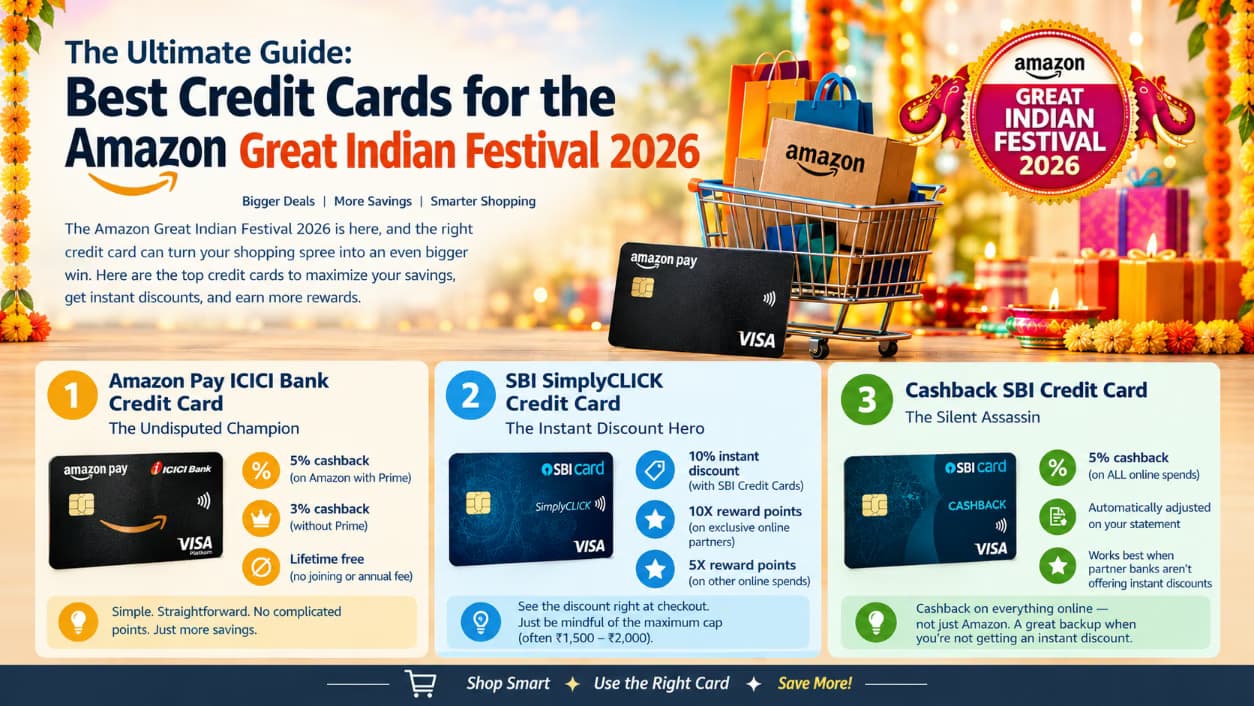
The Ultimate Guide to the Best Credit Cards for the Amazon Great Indian Festival 2026
Shopping30 Sept 2026, 06:30 pm

The Ultimate Guide to the Best Credit Cards for the Amazon Great Indian Festival 2026

Unlock massive savings during the 2026 Amazon Great Indian Festival! Discover the top credit cards from ICICI, SBI, and HDFC that offer the best instant discounts, unlimited cashback, and ultimate shopping perks.

Ruby
Ruby
Read News→
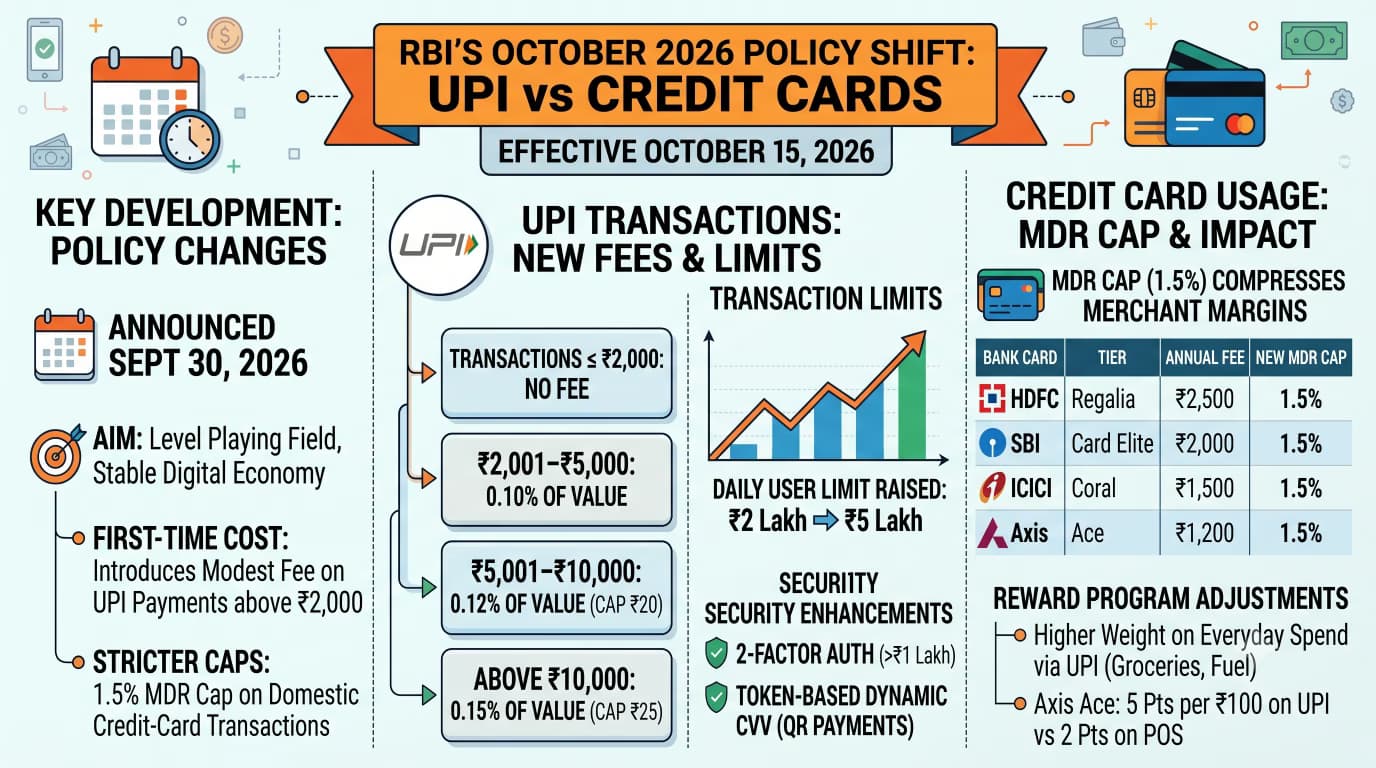
UPI vs Credit Cards: What Changed After October 15, 2026
upicredit cardsrbirewards26 Sept 2026, 06:30 pm

UPI vs Credit Cards: What Changed After October 15, 2026

RBI's new rules from October 15, 2026 reshape fees, rewards and eligibility for UPI and credit cards in India.

Ruby
Ruby
Read News→
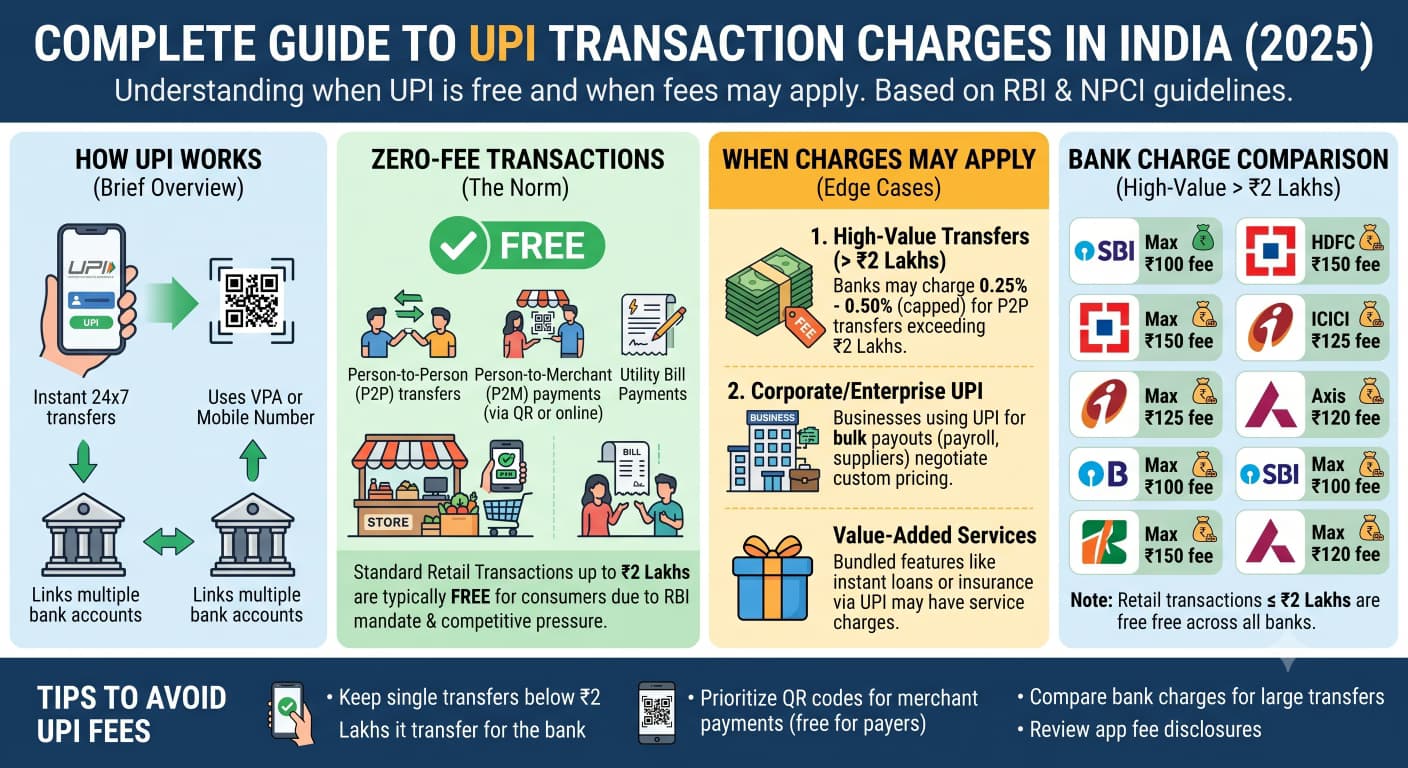
Understanding UPI Transaction Charges in India: A Comprehensive Guide
financial guide19 Sept 2026, 06:30 pm

Understanding UPI Transaction Charges in India: A Comprehensive Guide

A detailed guide explaining when UPI transactions are free, when fees apply, and how to minimise costs in India.

Ruby
Ruby
Read News→
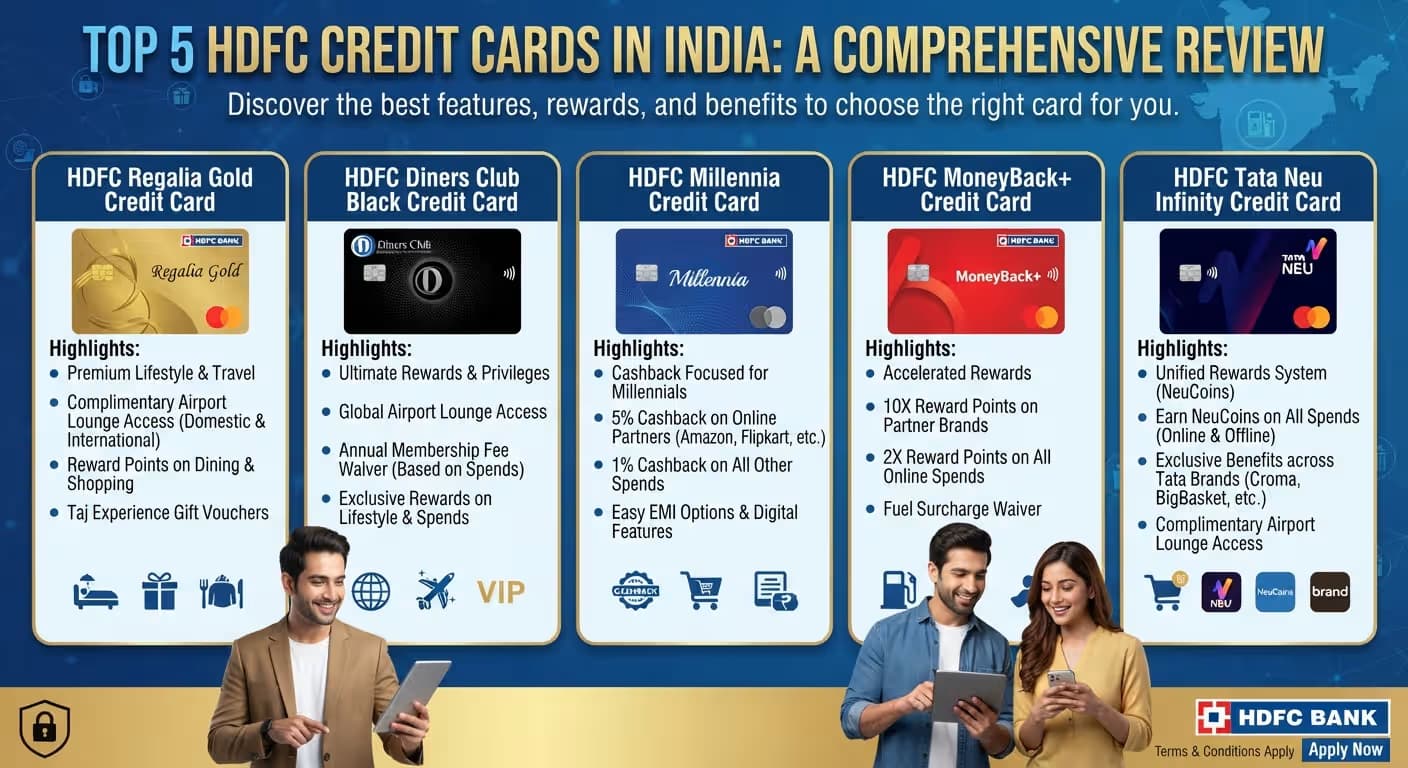
Top 5 HDFC Credit Cards in India: A Comprehensive Review
premium credit cards18 Jul 2026, 06:30 pm

Top 5 HDFC Credit Cards in India: A Comprehensive Review

Discover the top 5 HDFC credit cards in India, their features, rewards, and benefits, and choose the best one for your needs.

Ruby
Ruby
Read News→
Regulatory Updates for credit card
Update23 May 2026, 06:30 pm

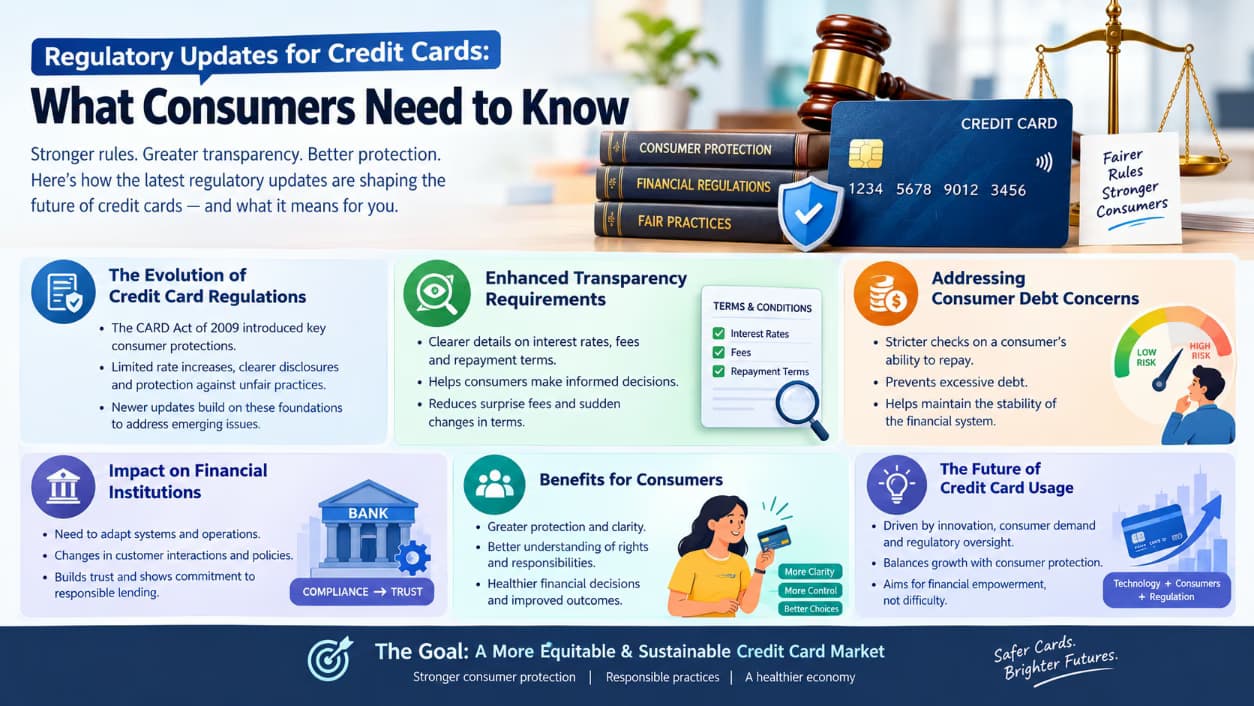
Regulatory Updates for credit card

The credit card industry is undergoing significant regulatory changes to enhance consumer protection and promote transparency, impacting both cardholders and financial institutions.

Devender Sharma
Devender Sharma
Read News→
Top Credit Cards with Cashback Rewards in India
cashback credit cards19 Jul 2026, 06:21 am

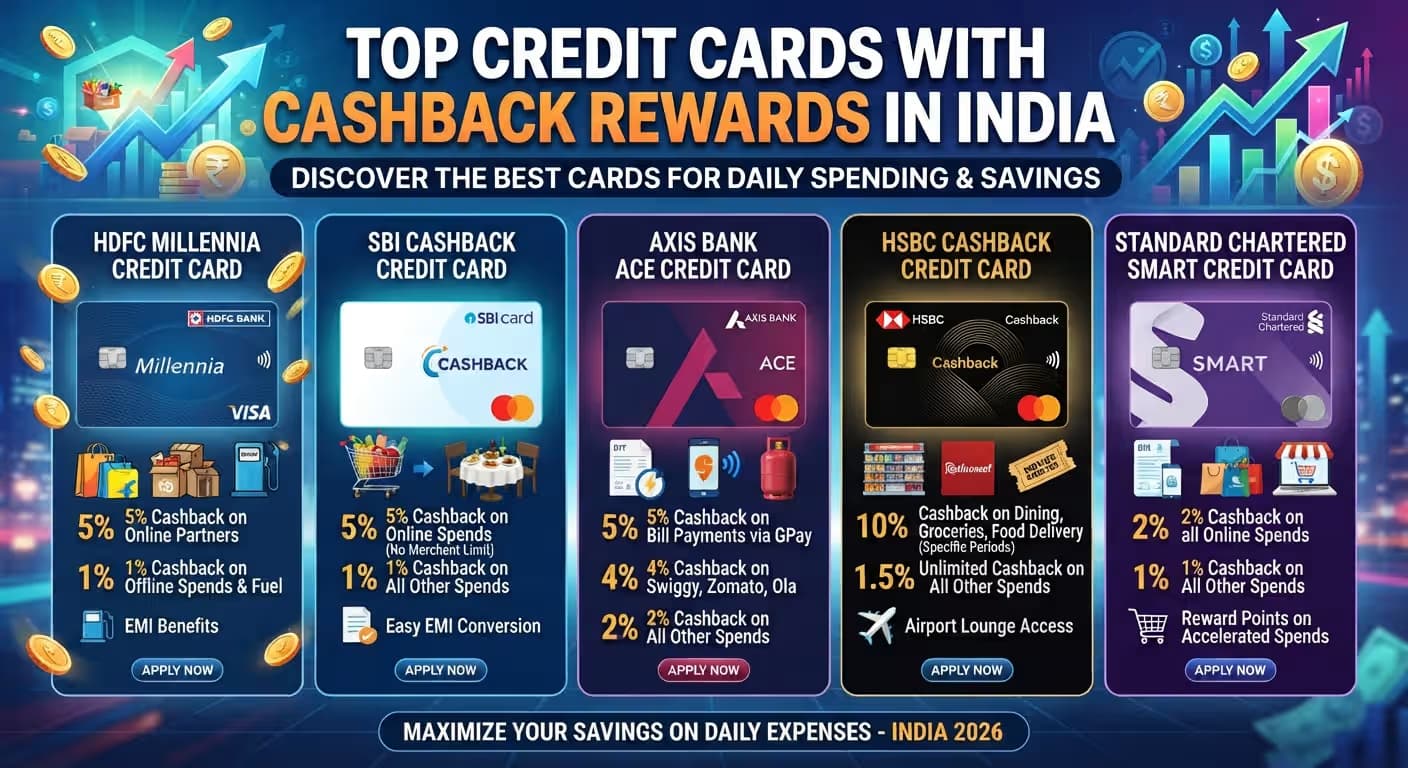
Top Credit Cards with Cashback Rewards in India

Discover the best credit cards with cashback rewards in India, offering benefits on daily expenses and more.

Devender Sharma
Devender Sharma
Read News→
Banking & Regulatory Updates

Credit Card News & Banking Updates FAQs

Key clarifications on recent RBI regulations, reward policy changes, lounge updates, and cardholder rights.

The Reserve Bank of India (RBI) Master Direction mandates key protections for all cardholders: (1) Mandatory credit card closure within 7 working days of request with zero penalty upon full dues settlement, (2) One-time free option to change the monthly billing cycle and payment due date, (3) Strict prohibition against issuing unsolicited credit cards or unapproved credit limit upgrades, and (4) Clear disclosure of the annualised percentage rate (APR) and late payment charges.

A devaluation occurs when an issuing bank reduces reward earn rates, lowers redemption conversion values, hikes spend criteria for lounge access, or introduces restrictive monthly category caps. When a devaluation is announced: (1) Check the official effective cutoff date, (2) Redeem all accumulated reward points before the deadline for high-value partner miles or shopping vouchers, and (3) Audit whether the revised benefits continue to justify the card's annual fee.

Banks have introduced a 1% convenience surcharge (plus 18% GST) and eliminated reward points on rental, education, and utility payments to curb manufactured spending and non-retail cash recycling through third-party payment platforms. Because non-retail payments carry high interchange processing costs, major banks have moved to disincentivize non-merchant credit card liquidity extraction.

Major card issuers (including HDFC Bank, ICICI Bank, Axis Bank, and SBI Card) have linked airport lounge privileges to calendar quarter spending. Cardholders must achieve a minimum retail spend (typically ₹10,000 to ₹50,000) in the preceding quarter to unlock complimentary domestic lounge passes for the following quarter. Spends on rent, fuel, wallet loads, and EMI conversions do not count toward lounge eligibility.

Under RBI guidelines, if an unauthorized transaction occurs due to bank negligence or third-party security breach and you report it within 3 working days of receiving the SMS/email alert, you have zero financial liability. Reporting between 4 to 7 working days caps your maximum liability at ₹5,000 to ₹10,000 based on card variant. Banks must credit the disputed amount back to your account within 10 working days pending formal investigation.

Under the RBI tokenization mandate, e-commerce merchants and payment aggregators (such as Amazon, Swiggy, and Flipkart) cannot store your actual 16-digit credit card number, expiry date, or CVV. Instead, they store a unique encrypted digital token issued by the card network (Visa, Mastercard, or RuPay). Even if a merchant database suffers a security breach, attackers obtain only useless token strings, keeping your actual card details secure.

Yes. Under RBI regulations, all Indian card issuers must provide cardholders the statutory right to modify their credit card billing cycle and payment due date at least once through internet banking, the mobile banking app, or customer care. This allows cardholders to align their statement payment deadline with their monthly salary credit date, avoiding accidental late fees.

Under RBI directions, banks must process credit card cancellation requests within 7 working days of receipt, provided all outstanding dues are cleared. If an issuer fails to complete closure within 7 working days, they are legally liable to pay a penalty of ₹500 per day of delay to the customer until the card is formally closed. Unresolved delays can be escalated to the RBI Banking Ombudsman (cms.rbi.org.in).

Under NPCI guidelines, standard merchant payments via linked RuPay credit cards carry zero surcharge for consumers on transactions up to ₹2,000 at small merchants. The standard 20 to 50 days interest-free grace period applies just like a regular card swipe. Person-to-person UPI transfers from a linked credit card are not permitted under NPCI rules.

Under RBI fair practices guidelines, card issuers must provide prior written notification and valid reasons before reducing a sanctioned credit limit or initiating involuntary account cancellation. If your limit has been reduced unexpectedly, you can contact the bank's grievance officer and submit updated income documentation (salary slips or ITR) to request restoration of your original credit line.