













Introduction to Cashback Credit Cards
Cashback credit cards have become increasingly popular in India, offering cardholders a percentage of their spending back as a reward. This type of card is ideal for individuals who want to earn rewards on their daily expenses. In this article, we will explore the top credit cards with cashback rewards in India, their features, and benefits.
How Cashback Credit Cards Work
Cashback credit cards work by offering a percentage of the cardholder's spending back as a reward. The cashback amount is typically credited to the cardholder's account at the end of the billing cycle. The cashback percentage varies depending on the card and the type of purchase made. Some cards may offer a flat cashback rate on all purchases, while others may offer higher cashback rates on specific categories such as fuel, groceries, or dining.
Top Credit Cards with Cashback Rewards in India
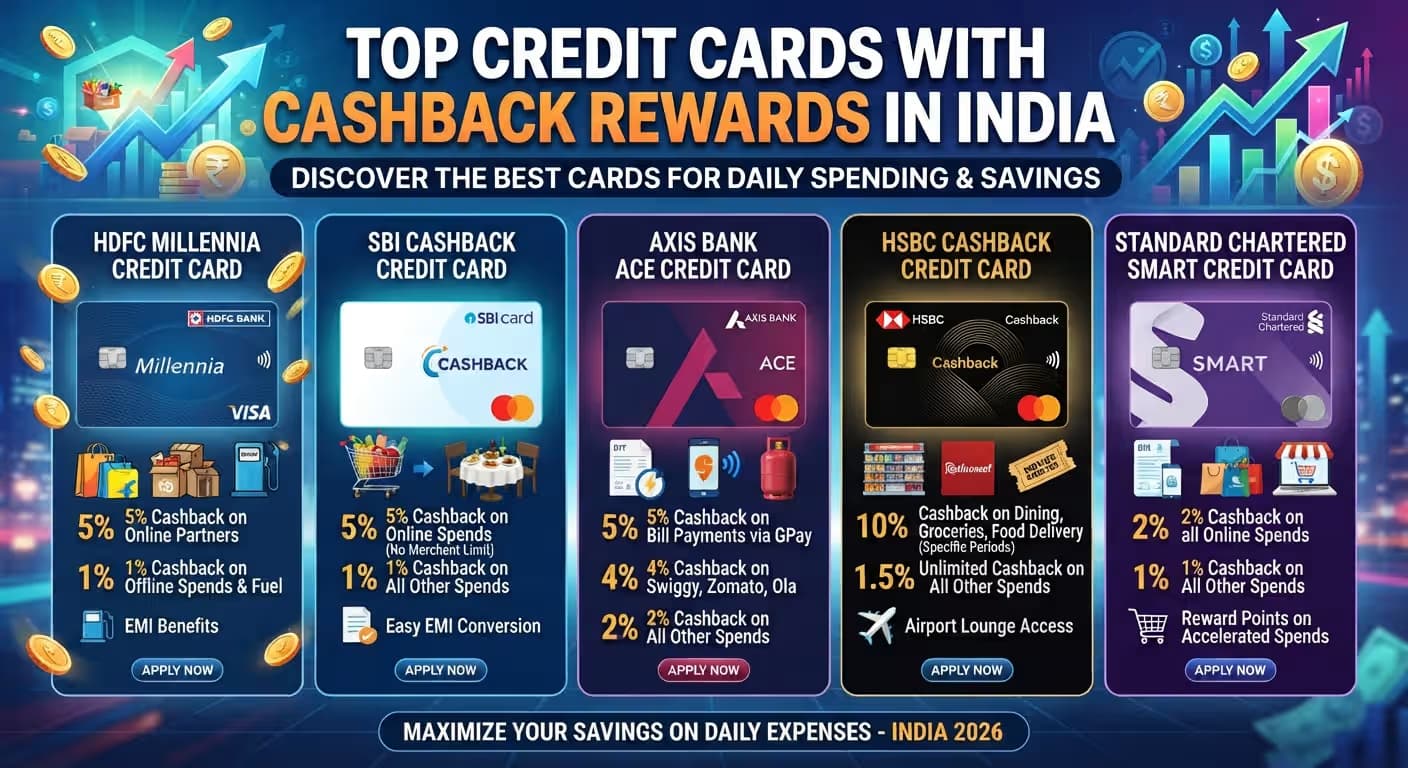
Here are some of the top credit cards with cashback rewards in India:
- HDFC MoneyBack Credit Card: This card offers 2% cashback on online purchases and 1% cashback on offline purchases. It also comes with a joining fee of Rs. 500 and an annual fee of Rs. 500.
- SBI Cashback Credit Card: This card offers 5% cashback on grocery purchases, 1% cashback on fuel purchases, and 0.25% cashback on other purchases. It comes with a joining fee of Rs. 499 and an annual fee of Rs. 499.
- ICICI Amazon Pay Credit Card: This card offers 5% cashback on Amazon purchases, 2% cashback on dining and 1% cashback on other purchases. It comes with no joining fee and no annual fee.
- Axis Bank Cashback Credit Card: This card offers 5% cashback on fuel purchases, 1% cashback on online purchases, and 0.5% cashback on other purchases. It comes with a joining fee of Rs. 500 and an annual fee of Rs. 500.
Eligibility Criteria for Cashback Credit Cards
The eligibility criteria for cashback credit cards vary depending on the bank and the type of card. However, some common eligibility criteria include:
- Age: The applicant should be at least 21 years old and not more than 60 years old.
- Income: The applicant should have a minimum income of Rs. 3 lakh per annum.
- Credit Score: The applicant should have a good credit score, typically above 700.
- Identity Proof: The applicant should have a valid identity proof such as a PAN card, Aadhaar card, or passport.
- Address Proof: The applicant should have a valid address proof such as a utility bill, rent agreement, or passport.
Fees and Charges Associated with Cashback Credit Cards
Cashback credit cards come with various fees and charges, including:
- Joining Fee: This is a one-time fee charged by the bank for issuing the credit card.
- Annual Fee: This is a recurring fee charged by the bank for maintaining the credit card account.
- Interest Rate: This is the rate at which interest is charged on the outstanding balance.
- Late Payment Fee: This is a fee charged by the bank for late payment of the credit card bill.
- Foreign Transaction Fee: This is a fee charged by the bank for transactions made in foreign currency.
Tips for Using Cashback Credit Cards Effectively
To use cashback credit cards effectively, follow these tips:
- Choose the right card: Select a card that offers cashback on categories where you spend the most.
- Use the card for daily expenses: Use the card for daily expenses such as fuel, groceries, and dining to maximize cashback rewards.
- Pay the bill on time: Pay the credit card bill on time to avoid late payment fees and interest charges.
- Monitor the cashback rewards: Keep track of the cashback rewards earned and redeem them before they expire.
Comparison of Top Cashback Credit Cards in India
| Card Cashback Rate Joining Fee Annual Fee | |||
| HDFC MoneyBack Credit Card | 2% on online purchases, 1% on offline purchases | Rs. 500 | Rs. 500 |
| SBI Cashback Credit Card | 5% on grocery purchases, 1% on fuel purchases, 0.25% on other purchases | Rs. 499 | Rs. 499 |
| ICICI Amazon Pay Credit Card | 5% on Amazon purchases, 2% on dining, 1% on other purchases | No fee | No fee |
| Axis Bank Cashback Credit Card | 5% on fuel purchases, 1% on online purchases, 0.5% on other purchases | Rs. 500 | Rs. 500 |
Pros and Cons of Cashback Credit Cards
Cashback credit cards have their advantages and disadvantages. Here are some of the key pros and cons:
- Pros:
- Earn rewards on daily expenses
- Get cashback on purchases
- Enjoy other benefits such as fuel surcharge waiver and dining discounts
- Cons:
- May have high interest rates
- May have late payment fees and other charges
- May have limited cashback rewards on certain categories
How to Choose the Best Cashback Credit Card
To choose the best cashback credit card, consider the following factors:
- Cashback Rate: Look for cards that offer high cashback rates on categories where you spend the most.
- Fees and Charges: Consider the joining fee, annual fee, interest rate, and other charges associated with the card.
- Eligibility Criteria: Check the eligibility criteria for the card, including age, income, credit score, and other requirements.
- Additional Benefits: Look for cards that offer additional benefits such as fuel surcharge waiver, dining discounts, and travel insurance.
FAQs on Cashback Credit Cards
Here are some frequently asked questions on cashback credit cards:
- What is a cashback credit card?: A cashback credit card is a type of credit card that offers a percentage of the cardholder's spending back as a reward.
- How do cashback credit cards work?: Cashback credit cards work by offering a percentage of the cardholder's spending back as a reward, which is typically credited to the cardholder's account at the end of the billing cycle.
- What are the benefits of using a cashback credit card?: The benefits of using a cashback credit card include earning rewards on daily expenses, getting cashback on purchases, and enjoying other benefits such as fuel surcharge waiver and dining discounts.
- What are the fees and charges associated with cashback credit cards?: The fees and charges associated with cashback credit cards include joining fee, annual fee, interest rate, late payment fee, and foreign transaction fee.
Per-Item Breakdowns of Top Cashback Credit Cards
Here's a detailed breakdown of each card:
HDFC MoneyBack Credit Card
This card offers 2% cashback on online purchases and 1% cashback on offline purchases. The joining fee is Rs. 500, and the annual fee is also Rs. 500.
SBI Cashback Credit Card
This card offers 5% cashback on grocery purchases, 1% cashback on fuel purchases, and 0.25% cashback on other purchases. The joining fee is Rs. 499, and the annual fee is also Rs. 499.
ICICI Amazon Pay Credit Card
This card offers 5% cashback on Amazon purchases, 2% cashback on dining, and 1% cashback on other purchases. There is no joining fee and no annual fee.
Axis Bank Cashback Credit Card
This card offers 5% cashback on fuel purchases, 1% cashback on online purchases, and 0.5% cashback on other purchases. The joining fee is Rs. 500, and the annual fee is also Rs. 500.
Usage Tips for Cashback Credit Cards
To get the most out of your cashback credit card, follow these usage tips:
- Use the card for daily expenses: Use the card for daily expenses such as fuel, groceries, and dining to maximize cashback rewards.
- Monitor the cashback rewards: Keep track of the cashback rewards earned and redeem them before they expire.
- Pay the bill on time: Pay the credit card bill on time to avoid late payment fees and interest charges.
Comparison Table of Top Cashback Credit Cards
| Card Cashback Rate Joining Fee Annual Fee | |||
| HDFC MoneyBack Credit Card | 2% on online purchases, 1% on offline purchases | Rs. 500 | Rs. 500 |
| SBI Cashback Credit Card | 5% on grocery purchases, 1% on fuel purchases, 0.25% on other purchases | Rs. 499 | Rs. 499 |
| ICICI Amazon Pay Credit Card | 5% on Amazon purchases, 2% on dining, 1% on other purchases | No fee | No fee |
| Axis Bank Cashback Credit Card | 5% on fuel purchases, 1% on online purchases, 0.5% on other purchases | Rs. 500 | Rs. 500 |
Conclusion
In conclusion, cashback credit cards are a great way to earn rewards on daily expenses. By choosing the right card and using it effectively, cardholders can maximize their cashback rewards and enjoy other benefits. It is essential to read the terms and conditions carefully and understand the fees and charges associated with the card before applying. Additionally, cardholders should monitor their cashback rewards and redeem them before they expire. With the right card and responsible usage, cashback credit cards can be a valuable addition to anyone's wallet.